Showing posts with label Indian. Show all posts

Saturday, October 9, 2021

Capturing Central Indian Bird Songs and Calls in Videos at Kanha National Park.

 White Rumped Shama

The bird was singing extensively while we were waiting for Munna Tiger to be on a jungle road at Indri at Kanha National Park. He was at the end of the run extremely feeble and sick. The white-rumped shama regaled as we were in for a long wait. The erstwhile dominant tiger took his own time to arrive so in the time available I made a video of the best singing avian in India. I resorted to making a short clip as the frequent movement of the safari jeeps made it almost impossible to make a long video. 

White Rumped Shama is frequently encountered in the jungles of Kanha and the song is unmistakably melodious and engaging. 

                                                         Song Video White Rumped Shama

                                                                (Copsychus malabaricus)

In summer the hollow melancholic resounding Coo-Coo is heard almost uninterrupted. The spotted dove along with the Red-Breasted or Coppersmith Barbet, Brown-Headed Barbet, and the peacock pheasant forms a melodious background orchestra familiar to all naturalists and nature lovers in Central India. Kanha National Park is no exception, and it is one of the best places to familiarize yourself with bird watching if you are a beginner.  For professionals, it's a hotspot for forest species. 

Magpie Robin erupts into a long-drawn melodious song courting song in summers. This is the resident species and quite common. But the song is a veritable treat bird watchers should not miss. 


                                                                      Magpie Robin Song
                                                                       (Copsychus saularis)

Summer is the mating time for many forest species and Kanha is the place to enjoy the sights and songs of amazing species of courting and nesting birds. With more than two hundred fifty avian species it is a paradise for bird watchers. In winter migrants arrive to be with the forest fraternity but few Palearctic deep divers and shorebirds arrive here as the destination lacks large water bodies. 

                                                      Spotted Dove (Spilopelia Chinensis)

A raptor popular in North India the grey-headed fish eagle has a bizarre call that somewhat resembles a human cry. It has become a resident at Kanha and probably breeds here as well. Among the Northern, Taxa Kanha is visited by Palas Fish Eagle, Grey Bush Chat,  Bar Winged Flycatcher Shrike, Siberian Ruby Throat, Whistlers Warbler, Ultramarine Flycatcher, Tickell' and Humes Warbler, and many more... 


                                                            Gray-Headed Fish Eagle

                                                               (Haliaeetus ichthyaetus)

In dense forest canopy, the species have to be identified by the calls especially if you are on a jeep safari. Regular bird watching in open jeep acclimatizes you to various sounds and calls of creatures living in this amazing tiger reserve in Central India. 


Wednesday, May 20, 2020

White Rumped Shama

Among the best singers in India this birds belongs to the magpie family Muscicapidae further classification is Copsychus malabaricus. I have come across this songster in the foothills of Himalayas and in Central India. Oriental magpie robin is included in this family and genus Copsychus saularis both the birds are good songsters but the latter is more active during the breeding period which is from March to July. The nominate race is found in the Western Ghats. The bird is found outside India as well.

Characteristic feature of this bird is its song and the the chatter in the bush. It  is partial to bamboo but can be seen in mixed forests as well at a height on the branches.  The bird is conspicuous by the white rump and the rufus belly. 


Both the sexes come together for breeding and stay that way till nesting is complete.Although female is more active whence the nest is being built while the male stands in guard. Post breeding both the sexes may carve separate territories. The bird is insectivorous and passerine and is shy by nature except whence busy courting.

Saturday, April 11, 2020

Jerdon's Baza Raptor Enigmatic

Jerdon's Baza (Aviceda Jerdoni)

Often seen in Kanha National Park and often confused with Crested Hawk Eagle these birds number less than the latter. I have seen it often but was able to photograph for first time and at the same time make a clip. The white chin and the mesial stripes are good identification features. The white tipped long crest is held erect most of the time. The rufus barrings in underbody and broad wings tapering down also help in identification. 

 
The distribution range in India is the terai region of North, the Eastern Himalayan foothills, some parts of Central India (Kanha) and Southern India in Western Ghats and scattered presence in Eastern Ghats.

This bird was photographed at Kanha in February - March. Its status is not known here whether it is a breeding resident or migratory. 
====================================================================
I work as naturalist/birder at Kanha National Park in Central India.
I also provide Social Media Marketing & SEO along with website contents. 
My Contact: 9755089323
pateluday90@hotmail.com

Friday, November 29, 2019

Indian Bird Pictures - Kanha Tiger Reserve

White Eyed Buzzard

Juvenile White Rumped Vulture 

Great Tit

Malabar Pied Hornbill

Sirkeer Malkoha

Orange Headed Ground Thrush (White Cheeked)

Yellow Footed Green Pigeon

Wooly Necked Stork

Lesser Adjutant Stork

Jungle Owlet


Issabelle Shrike

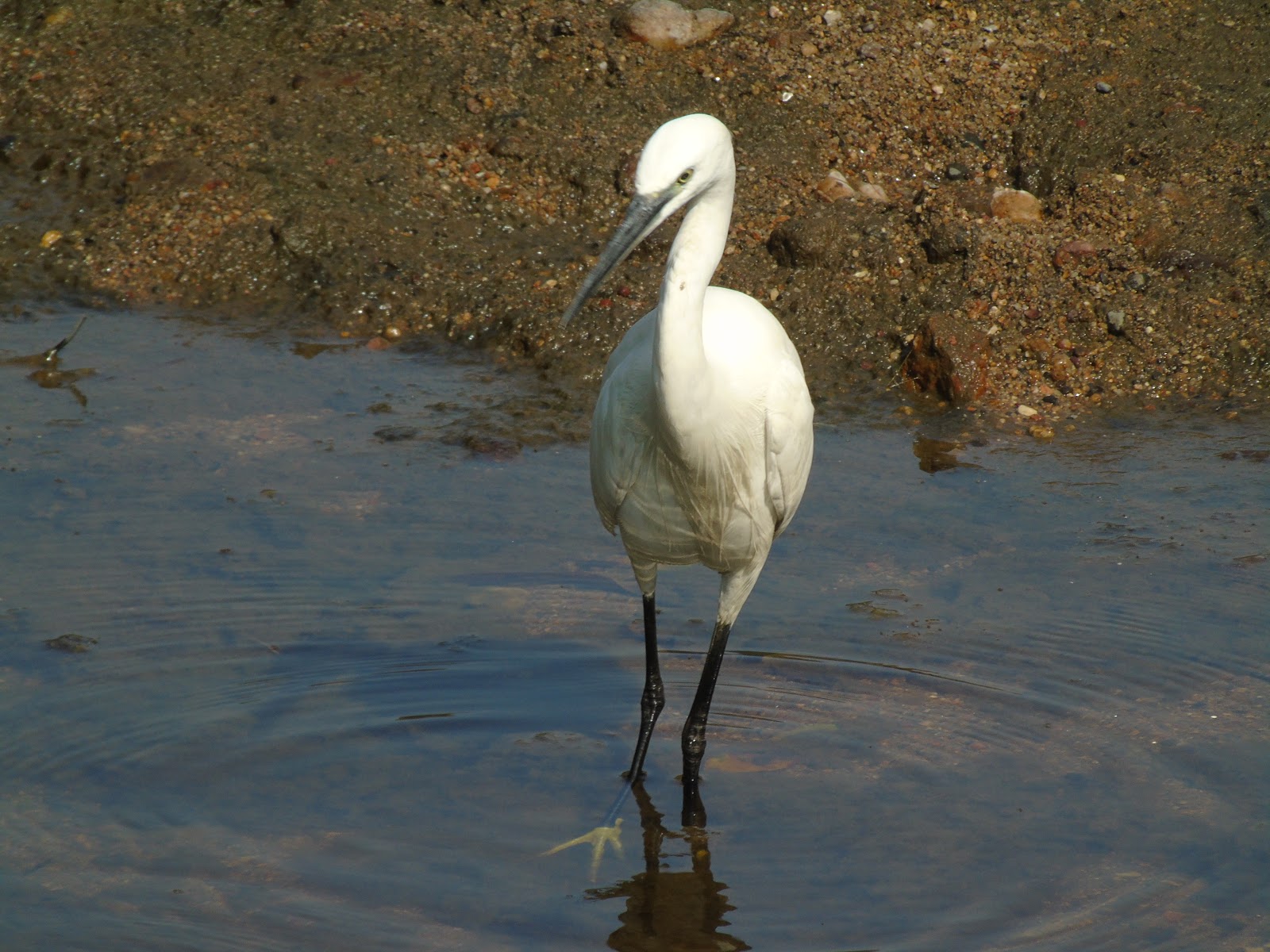
Little Egret

Crested Hawk Eagle

King Vulture

Brahminy Myna

Black Stork

Blue Capped Rock Thrush

Common Iora

Spotted Owlet

White Throated Kingfisher

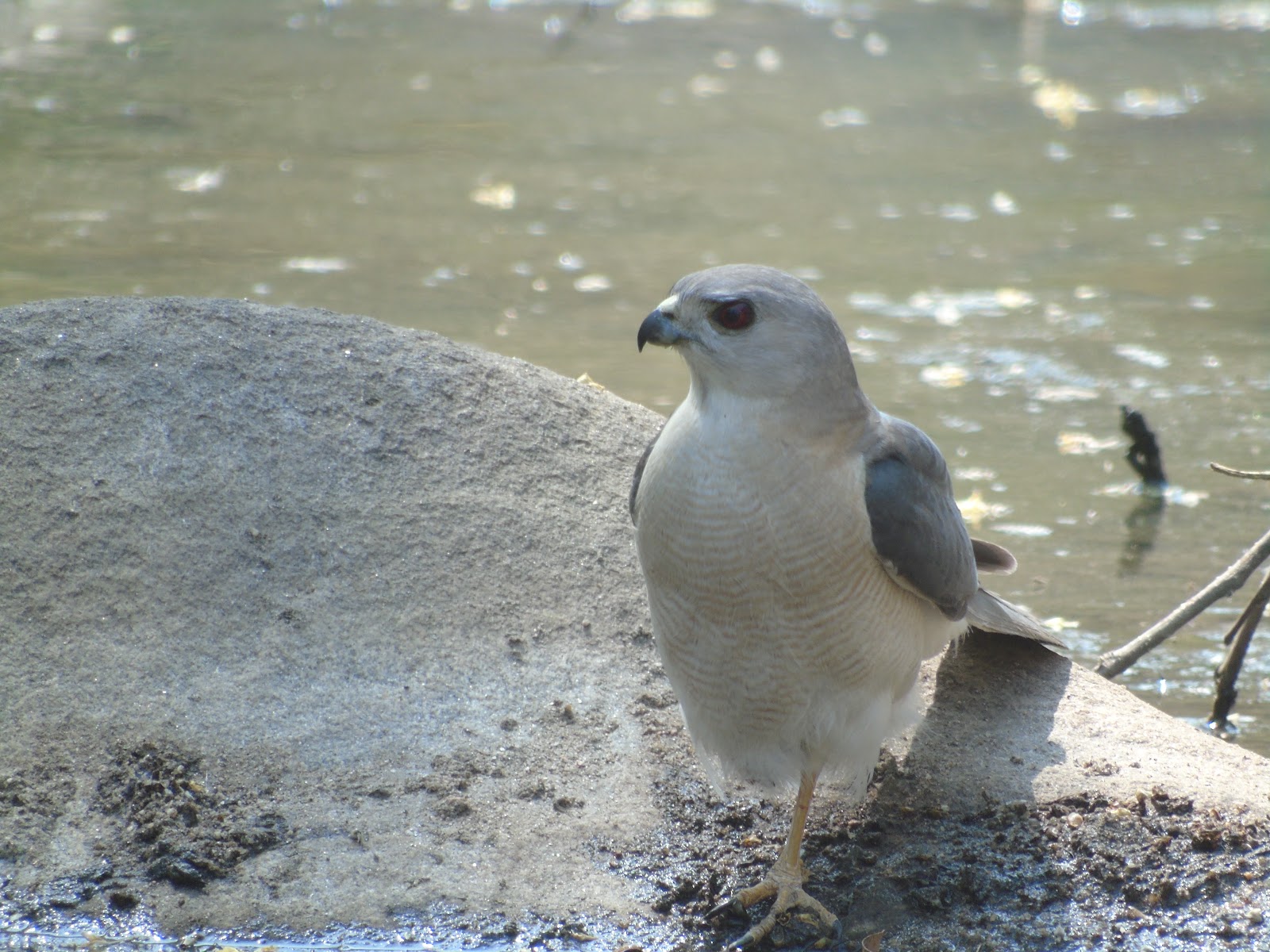
Shikra

Tawny Bellied Babbler

India is not only a land of tigers it is a land of avian as well and fantastic species at that. Though Kanha National Park is well known for its tigers it is no less a destination for birding in India. In fact it is a fantastic hot spot for bird watching in Madhya Pradesh. 

Though not popular for winter migrants and wetland birds it is a place for watching Central Indian forest species that abound here. With the help of an able birding guide a fairly large number of avian can be check listed.   

For enthusiasts a medium range lens is more than enough while binoculars work perfectly here. Spotting scope is of little help in the dense canopy. In a three night stay one can chalk out more than hundred species but the more the better. 

Kanha National Park offers equal opportunity to see avian and wild mammals like the tiger in India. Winter is the best time to watch our feathered bipeds but do not forget that summers are equally exciting to watch the spectacular residents thanks to thinning canopy and ensuing breeding season. Overseas visitors should be aware of heat in the summers and should consume lot of liquids.

Here below is an amateur effort to highlight some common birds of the park using an amateur camera and lens. These picture where taken in various seasons but primarily in winters.

Common Kestrel

Black Rumped Flameback

Pied Bush Chat Female

Common Stone Chat Female
Honey Buzzard
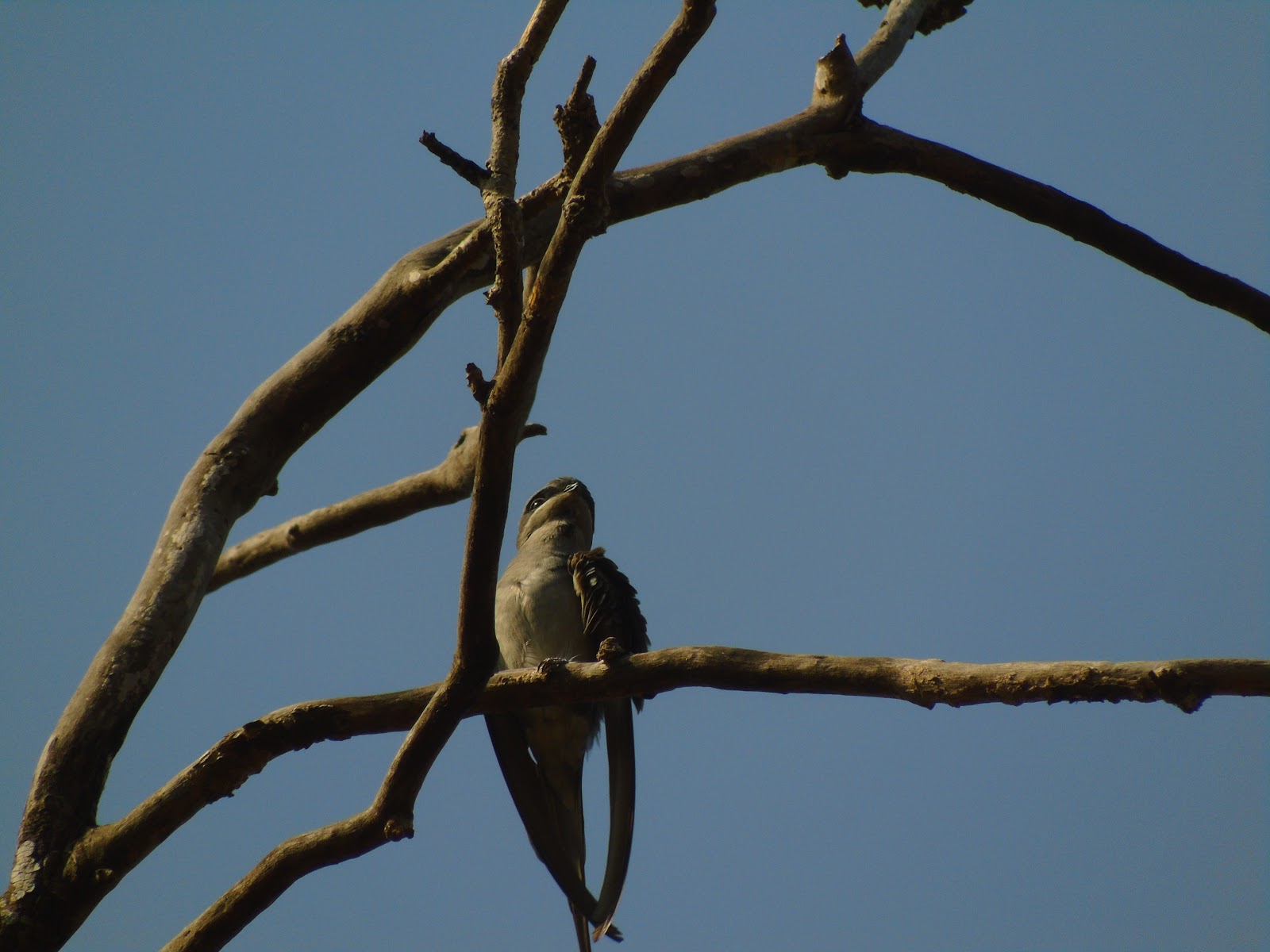
Crested Tree Swift
Indian Roller
Juvenile Serpent Eagle
Large Cuckoo Shrike

Pied Bushchat Male 

Crested Serpent Eagle

Grey Wagtail

Cotton Pygmy Goose

Pond Heron

Little Cormorant
Black Stork

Brain Fever Bird Female


Lesser Adjutant Stork

Spotted Dove

Brown Headed Barbet
Though some of the images are average the aim is to showcase birds at Kanha National Park and not my skills as a photographer.
=======================================================
I work as naturalist/birder at Kanha National Park in Central India.
I also provide Social Media Marketing & SEO along with website contents. 
My Contact: 9755089323
pateluday90@hotmail.com

Friday, April 26, 2019

Bird Images at Kanha National Park in Central India

Though a tiger heaven Kanha National Park is an excellent destination for bird watching with more than two hundred species recorded so far. New bird discoveries is a constant happening. The hotspot is rich in forest species though wetland and shore birds can also be checklisted during the winters. 

Some of key resident species are the Malabar Pied Hornbill, Paradise Flycatcher, Indian Pitta, Black Naped Monarch, Shama, Brown Hawk Owl, Brown Wood Owl, Mottled Wood Owl, Serpent Eagle, Hawk Eagle, Honey Buzzard, White Eyed Buzzard, Booted Eagle, Grey Headed Fish Eagle, Jerdon's Baza, Crested Goshawk, Shikra, White Rumped Needletail, Bar Winged Flycatcher Shrike, White Cheecked Orange Headed Thrush, Tickell's Thrush, Pygmy Cotton Teal, Lesser Whistling Teal, and many many more......

Among the winter visitors are the Black Redstart,Tickell's Leaf Warbler, Hume's Warbler, Sulphur Bellied Warbler, Greenish Warbler, Grey Buschat, Siberian Rubythroat, Palas Fish Eagle(Rare), Rufus Bellied Eagle,Verditor Flycatcher, Green Sandpiper, Nortern Pintail, Gray Lag Geese, Bar Headed Goose, Common Teal, Richard's Pipit and more....      

Here are some bird pictures from Kanha
==============================================


Scarlet Minivet

Isabelline Shrike
Little Egret

Crested Hawk Eagle
Bhamani Starling

White Eyed Buzzard

King Vulture

Black Stork

Black Rumped Flameback

Lesser Adjutant Stork
Honey Buzzard

Richard's Pipit

Honey Buzzard

Blue Capped Rock Thrush


Spotted Owlet

Shikra
Magpie Robin

Crested Tree Swift Female

Indian Roller

White Backed Vulture Juvenile

Crested Serpent Eagle Juvenile

Large Grey Cuckoo Shrike

White Throated Kingfisher

Shikra

Twany Babbler

While the birding goes year around the thick canopy in October is stressful though the full range of migrants continue to arrive throughtout the winters. The best period hence is from mid November onwards lasting upto June 15 since rainy weather may impede excusrions after mid June. 

Birding is not allowed on foot in the core area hence jeep safaris are ideal way of watching lovely avian. However on foot birding can take place outside the core in the buffer region. Anoter   

Kanha National Park is not the place for wetlands or shore birds niether it is a place for studying winter migrants. Hence birders should aim for forest birding using good pair of binoculors and a medium sized lens perhaps upto 600mm. A bean bag and a tripod will be very helpful.