Showing posts with label birding. Show all posts

Sunday, May 7, 2023

Birding at Thattekad

Home to Salim Ali Bird Sanctuary in South India. The destination is located in Nnijiyapalli Hills in Western Ghats which encompasses the Western Ghats. The sanctuary was established in the year 1983 to preserve and protect the bird species and wildlife. The sanctuary was established on the recommendation of World fame ornithologist Salim Ali to the Kerala Government. The sanctuary is 25 sq. Km long and 60 sq. km wide encompassing an area of 1500 sq km.


The species is home to more than 500 avian species and mammals like the Nilgiri Langur, Lion Tailed Macaque, leopard, wild elephants, and the sloth bear. Thattekkad is the only bird sanctuary in the Indian State of Kerala and is situated in Kothamangalam Taluk of Ernakulam District. The destination is like a hill resort encompassing scenic splendor all around. There are other urban attractions near Thaattekad. 

It is home to true tropical forests, tropical deciduous, teak plantations, tropical semi-evergreen forests, and riparian forests. The main wood is mahogany, fruit orchard, and rosewood.       

The avian species comprise forest species and wetland ones enhancing the avian diversity that attracts thousands of birders and tourists. Most of the visitors are keen ornithologists while the rest are amateur birders that visit the place on holiday. The birds found here are:

  • Orange-headed thrush
  • Nilgiri Wood Pigeon
  • Blue Faced Malkoha
  • Large-billed leaf-warbler
  • Greater Coucal
  • Jerdon's nightjar
  • Mountain Hawk Cuckoo
  • Indian Cuckoo
  • Oriental darter
  • Green Imperial Pigeon
  • Cormorants
  • Chestnut Winged Cuckoo
  • White Rumped Needle Tail
  • Whiskered terns
  • Collared scops owl
  • Ceylon frogmouth
  • Grey-fronted green pigeon
  • Yellow-browed bulbuls 
  • Great Eared-Nightjar
  • Jungle Nightjar
  • Brown Boobook
  • Jerdon's Nightjar
  • Sri Lanka Bay Owl
  • Indian Nightjar
  • Savanna Nightjar
  • Black Baza
  • Malayan Night Heron 
  • Crested Serpent-Eagle
  • Legge's Hawk-Eagle
  • Changeable Hawk-Eagle
  • Rufous-bellied Eagle
  • Black Eagle
  • Crested Goshawk
  • Malabar Woodshrike
  • Large Woodshrike
  • Bar-winged Flycatcher-shrike
  • Sri Lankan Frogmouth 
  • Greenish/Large-billed Leaf Warbler
  • Western Crowned Warbler
  • Jerdon's Leafbird
  • Golden-fronted Leafbird

The list is endless and bird enthusiasts should spend as many days as possible to make a large checklist and enjoy the wildlife as well. The sanctuary is about 12 km from Kothamangalam. The sanctuary is a lowland forest surrounded by the Periyar River. In Kerala Thattekad bird sanctuary is the only one. Altough plenty are found in the reserve forests. 

The Idamalyar forests are 15 km from Thattekad Bird Sanctuary birds found in this forests are Mountain Hawk Eagle, dark-fronted babbler, brown-cheeked fulvetta, brown-backed and white-rumped needletails, and emerald green pigeons.

How to Reach?

The nearest airport is Kochi, which is at a distance of 64 km. The nearest railhead is Aluva while a good road connection provides a journey by road.  

Bird Watching in India

 The Indian subcontinent has more than 1300 species of birds but when you add the subspecies the number goes up to 2200. This number is more than other continents or countries of the world. However, the number does not count all the time. Birders' visit is dependent upon the species and experience that the country offers.


India does not lag behind in all these aspects and is rich in the diversity of avifauna. We have an affinity with three zoogeographical zones.

  • Pale Arctic
  • Ethiopian
  • Indo Malayan   

If we add our own zoogeographical zone the number rises to four. There are many subregions that India has an affinity with and this explains the immense diversity in terms of a number of avian species. The birding spots in the country are famous for ornithological quests. Some are home to endemic, rare, and targetted species. Not forgetting the common species which though common differ somewhat in morphological and behavioral aspects.


Most of the birds in India are under serious threat like the Great Indian Bustard, Lesser Florican, Sarus Crane, Black-necked stork,  White Winged Wood Duck, and Indian skimmer to name a few. The greatest threat arises from cement structures being built and advancing urbanization. Lakes, reservoirs, rivers, and other water bodies are shrinking fast. Natural habitats are being into urban structures leaving little space for wetland and shore birds. Deforestation is another big culprit which is fast reducing space for the forest birds.

Like in the case of mammals avians too are facing an existential threat and what will remain in the future is anybody's guess.

Birding in India

It is not a one-way story and conservation initiatives are being used to stem the rot.

Some of the best birding spots in India are

  • Bharatpur Bird Sanctuary
  • Little Rann of Kutch    
  • Chilika Lake
  • Thatekkad Bird Sanctuary
  • Cold Deserts of Ladakh
  • Pangot
  • SatTal
  • Nal Sarover
  • Tal Chhaper
  • Chopta Mandal
  • Dandeli
  • Desert National Park
  • Latpancher
  • Thor

The spots can be extended with more spots added to the list. If we add the tiger reserves the scope for bird watching in India expands immensely. Tiger reserves, numerous water bodies, and rivers all house a wide variety of avian species. The birding spots are well organized with tourist infrastructure in place.  Transportation is not a problem my advice is to hire a birding guide local or pan India to make the trip a great success.    

Thursday, February 16, 2023

Chambal And Bharatpur Birding

Bharatpur Bird Sanctuary is well known all over India and abroad while Chambai is coming into the limelight. It was once in the limelight for many bandits that dwelled in the land proliferated by ravines and dunes an unproductive land that gained notoriety because of the bandits. All that is past and tourism has replaced the crime-ridden past. Chambal is a river sanctuary that encompasses three states namely:

  • Uttar Pradesh
  • Madhya Pradesh
  • Rajasthan

The long stretch of river spans more than 700 km with a substantial area covered by the sanctuary. The sanctuary is home to several avian species, turtles, marsh crocodiles, and the gharial. It supports several mammalian and reptilian species on its banks and all these are major attractions for tourists who primarily come here for bird watching and boating on the river. 


Bharatpur is a 28 sq. km sanctuary and home to over 300 avian species. It is World famous with a majority of visitors arriving from overseas.  Both Bharatpur and Chambal are approachable from Agra roughly at a distance of 70 kilometers. The best season for bird watching at these destinations is winter when the Palearctic migrants arrive.


Boating is organized at Chambal by the lodge owner at Bah in Uttar Pradesh about 70 km from Agra. It is also organized at Dholepur in Madhya Pradesh about 50km from Bharatpur.

Boating organized at Chambal River Sanctuary is for about 2.50 hours and offers sightings of turtles, gharial, and marsh crocodiles. Several avians are seen. The most coveted species to see at Chambal are the Indian Skimmer, Bonelli's Eagle, Indian Eagle Owl, Laggar Falcon, Sand Lark, Booted eagle, Pallas gull, Eurasian Wigeon, Gadwall, Northern Shoveler, Mallard, Gargeny, Ferruginous Pochard, Red-crested pochard, Common Shelduck, Comb Duck, Common Quail, Rain Quail, Rock bush quail, Painted Francolin, Greater flamingo, Lesser flamingo, Great crested grebe, Yellow necked green pigeon, painted Sand grouse,  Chestnut-bellied sandgrouse, Savanna nightjar, Pied avocet, Kentish plover, Lesser sand plover, Long-billed plover, River lapwing, Ruff, Terek sandpiper, Common redshank, Brown-headed gull, Lesser black-backed gull, Little tern, Caspian tern, Black-bellied tern,  Booted eagle, Pallid Harrier, Northern goshawk, long-legged buzzard, Eurasian buzzard, Brown boobook, Black-rumped flame back, Red-necked falcon, White-tailed lapwing      


At Bharatpur, it is guided birding. The best birding guides are available in Bharatpur. The birds seen are

mustached warbler, dusky warbler, rubythroat, Lesser Whistling Duck, Sarus Crane, plum-headed parakeet, Bar-headed Goose, Ferruginous pochard, Marbled Teal, Common Crane, Wigeon, Gadwall, Baer's Pochard, Greater Scaup,  Tufted duck, Baikal Teal, Yellow Legged Button Quail, Barred Button Quail, Mallard, Pintail snipe, Common snipe, Common Quail, Indian eagle, Blue Tailed Barbet, Blue Cheeked Barbet, Grey Bellied Hawk Cuckoo, Common Cukoo, Sirkeer Malcoha, Alpine Swift, Short Eared Owl, Oriental Scops Owl, Brown Hawk Owl, Dusky eagle owl, Pale Backed Pigeon, Demoiselle crane, Red collared dove, Water rail, Brown crake,           Greater spotted eagle, Brown Capped Pigmy Woodpecker, Yellow Crowned Pigmy Woodpecker, Bonelli's Eagle, Honey buzzard, Steppe Eagle, Tawny eagle,Marble Teal, Black francolin, Chestnut bellied sandgrouse, Pintail snipe, Jack snipe, Black tailed godwit,  Eurasian Curlew,Pheasant and Bronze winged Jacana, Red necked phalarope,Pacific goled plover, Ballions crake, Water cock, Grey nightjar, Long-tailed nightjar, and Peregrine Falcon.

There are many more interesting species in these destinations. Thus for birders bird watching atBharatpur and Chambal is the best option. Both destinations can be covered in one itinerary.

Tuesday, February 7, 2023

Birding at Kanha National Park

Kanha is popular for tiger safaris and people enjoy seeing the big cats and other wild animals. Yet the destination with 250 bird species is slowly getting popular for the fantastic opportunity it provides to birders. Tourists miss the fantastic ecosystem in the mad chase for tigers and they miss the amazing avians that flock around. This magnificent tiger reserve and National park is getting popular with bird watchers and every year a large number of enthusiasts arrive here.   


The diverse topography is very much suitable for forest birds and to some extent grass birds. The wetland species are few and some arrive in winter due to small water bodies in the core area of the park. Some water bodies inside the tiger reserve are home to Eurasian wigeon, Northern pintail, common teal, garganey, Graylag geese, and a few more species but winter migrants do not arrive here in large numbers.  

 Other birds that are seen here are Indian pitta, barred button quail, black drongo, racket-tailed drongo Eurasian thicknee, Scops owl, Oriental scops owl, Brown fish owl, jungle owlet, honey buzzard, long-billed vulture, white-eyed buzzard, black-shouldered kite,  Large and median egrets, Greater Cormorant,  Osprey,  Tickell's blue flycatcher, tawny babbler, Asian paradise flycatcher, Palas Fish Eagle, Shama, verditor flycatcher, Gray Headed Fish Eagle, black-naped monarch,  Wooly Necked Stork, open billed stork,  Lesser Adjutant Stork, and the common shore birds.  

The best areas for bird watching at Kanha are: Sravan Taloa, Anicut at Nakti Ghati, Bija, and Bahmni Dadar, the buffer tourism areas, Link No 7,  8, and 9. The mixed forest, water bodies, Lakes, bamboo clumps, wild bushes, and meadows offer sightings of many birds. Marshy grasslands hold interesting species like bush chats, munias, parakeets, pipits, and larks. 

The Indian scimitar babbler, common grey hornbill, Malabar pied hornbill, common snipe, and painted francolin, are also seen in Kanha Tiger Reserve. The common avians are the common iora, yellow-eyed babbler, gray-breasted prinia, brown-cheeked fulvetta, ashy and plain prinia, common tailor bird, red-rumped swallow, white-rumped munia, purple sunbird, red avadavat, green munia, scaly and tricolor munia among the grassy patches and near the banks of ponds and small lakes.

Birding on the outskirts of  Kanha National Park is most rewarding.  Some of the preferred areas for birding outside parks are village fields,  Banjar River, Ganghar Nala Bank, and the village confines.  The enthusiasts visit the core and the outskirts as well.

A lot of birding tour operators organize birding tours at Kanha National Park in Madhya Pradesh. Birding in groups is always rewarding. But the most rewarding company is that of the birding guide and naturalist. Enthusiasts should barry a good pair of binocs and bird books while going in for bird watching at Kanha National Park in Central India. Spotting scopes are not required in this destination.  


Friday, December 11, 2020

Gajendra Singh and Birds of Nainital in North India

Gajendra Singh Bharatpur Guide

I first met Gajendra Singh in New Delhi a suave, soft spoken, shy and yet a confident man he struck me by  his demeanour. He is going to guide us in Nainital and of course Bharatpur. I felt assured since my knowledge of  this region in North India avifuana was at best limited. He lives at Bharapur Town much near the bird sanctuary also known as Keoladeo.  

Gajendra Singh Guide

Not to mention we had a fantastic trip in company of Gajendra Singh. For me it was a journey of discovery of the snow mountains and amazing feathered friends that flocked impressively all around us. Guides from Bharatpur are impressive by all means and dedicated. Coming from a humble background born and brought up in rustic surroundings he excelled as a guide and we could checklist many species on the tour. The species we met around Sat Tal, Pangot and Corbett Tiger Reserves where quiet new to me and he worked hard in order to lucidly introduce them to us and my English group who were avid ornithologists.     

Birding for decades as an amateur, I had started working for Indiafootprints Adventure safari organizer as a group leader and was completely new to North India having spent my birding days in Central India mostly in Jabalpur and the tiger reserves. 

Gajendra excelled, and I learnt about Northern birds with his guidance. We where to meet on some more ornithological quests in time to come then I became a permanent fixture at Courtyard House Kanha in Kanha National Park. I yearn to visit the confines of snow mountains of Uttrakhand on ornithological quests and hope to realize my dream often in future.     

A New Birding Venture 

We kept in touch on ubiquitous social media called FaceBook or FB. Today I have learnt that Gajendra Singh is into professional birding under the aegis of his own company. Albeit still as a freelancer he plans to go further into this business and wishes to establish  his own company. He is based at Sat Tal and plans to cover Pangot, Chopta and Manila besides other places of interest. My best wishes. 

Ornithologists and enthusiasts will be enamoured by his services as guide and leader. I am very sure of this. He can be contacted at: 

gejendraknp3@gmail.com

WhatsApp: +91 9982535015 

                   +91 9660196424

He has sent some of his bird photos for me to use in blogging and Seo articles and I thanks him for that.  Inserted below.   

=========================

Whitethroated Laughing Thrush 

Rustycheeked Scimitar Babbler

Rufusgrigeted Flycatcher 

Monal 

Larg Niltava  

Koklass Pheasant 

Himalayan Blue Tail 

Red Billed Green Magpie


Chestnut Headed Tesia 

Brown Wood Owl 


Photo Courtesy Gajendra Singh 
===============================================
Uday freelances as naturalist/bird guide at Kanha National Park in India.
He also provides Seo and Content Writing Service for Digital Marketing.
He can be contact at 
pateluday90@hotmail.com
9755089323   

Friday, April 26, 2019

Bird Images at Kanha National Park in Central India

Though a tiger heaven Kanha National Park is an excellent destination for bird watching with more than two hundred species recorded so far. New bird discoveries is a constant happening. The hotspot is rich in forest species though wetland and shore birds can also be checklisted during the winters. 

Some of key resident species are the Malabar Pied Hornbill, Paradise Flycatcher, Indian Pitta, Black Naped Monarch, Shama, Brown Hawk Owl, Brown Wood Owl, Mottled Wood Owl, Serpent Eagle, Hawk Eagle, Honey Buzzard, White Eyed Buzzard, Booted Eagle, Grey Headed Fish Eagle, Jerdon's Baza, Crested Goshawk, Shikra, White Rumped Needletail, Bar Winged Flycatcher Shrike, White Cheecked Orange Headed Thrush, Tickell's Thrush, Pygmy Cotton Teal, Lesser Whistling Teal, and many many more......

Among the winter visitors are the Black Redstart,Tickell's Leaf Warbler, Hume's Warbler, Sulphur Bellied Warbler, Greenish Warbler, Grey Buschat, Siberian Rubythroat, Palas Fish Eagle(Rare), Rufus Bellied Eagle,Verditor Flycatcher, Green Sandpiper, Nortern Pintail, Gray Lag Geese, Bar Headed Goose, Common Teal, Richard's Pipit and more....      

Here are some bird pictures from Kanha
==============================================


Scarlet Minivet

Isabelline Shrike
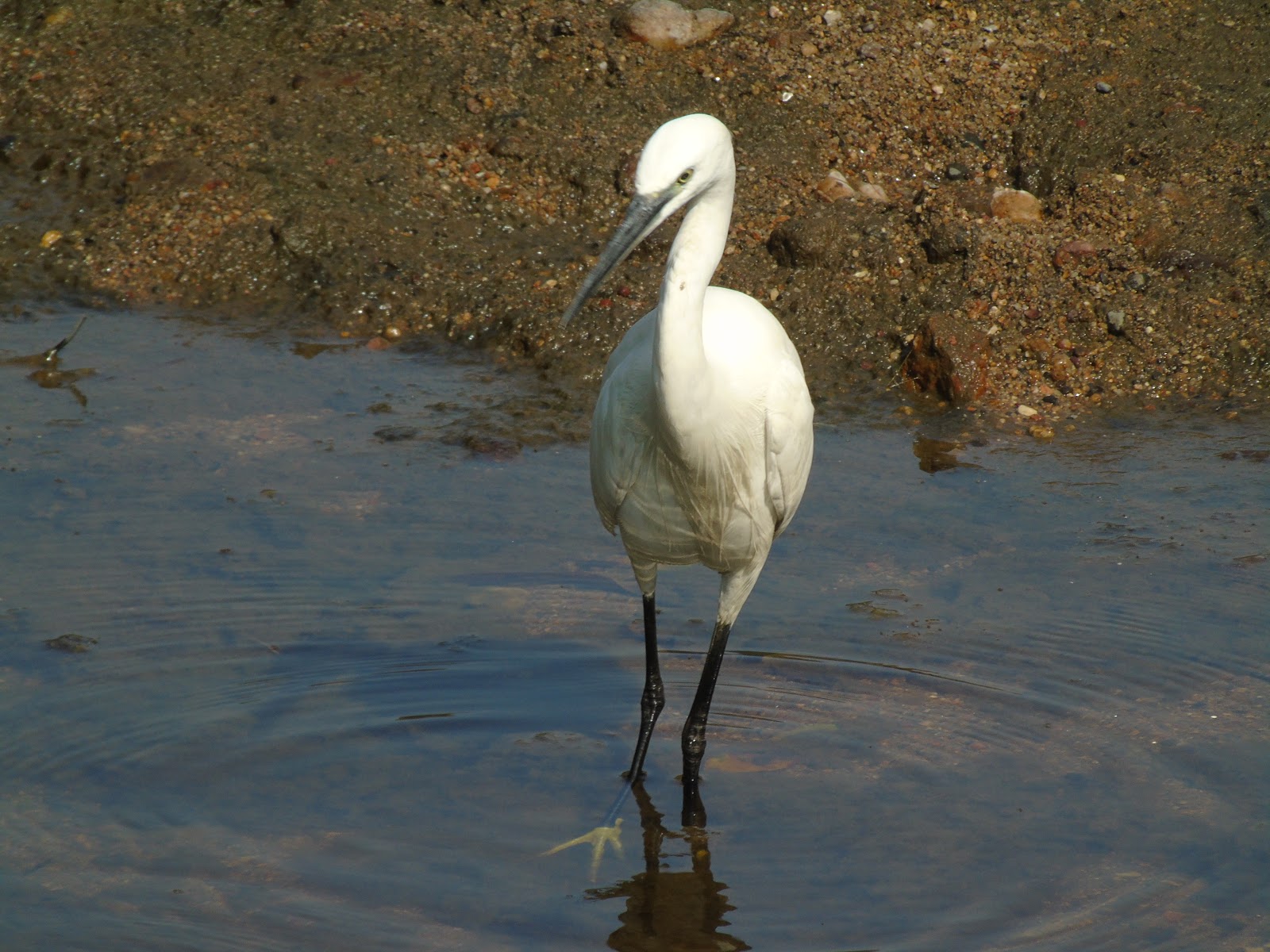
Little Egret

Crested Hawk Eagle
Bhamani Starling

White Eyed Buzzard

King Vulture

Black Stork

Black Rumped Flameback

Lesser Adjutant Stork
Honey Buzzard

Richard's Pipit

Honey Buzzard

Blue Capped Rock Thrush


Spotted Owlet

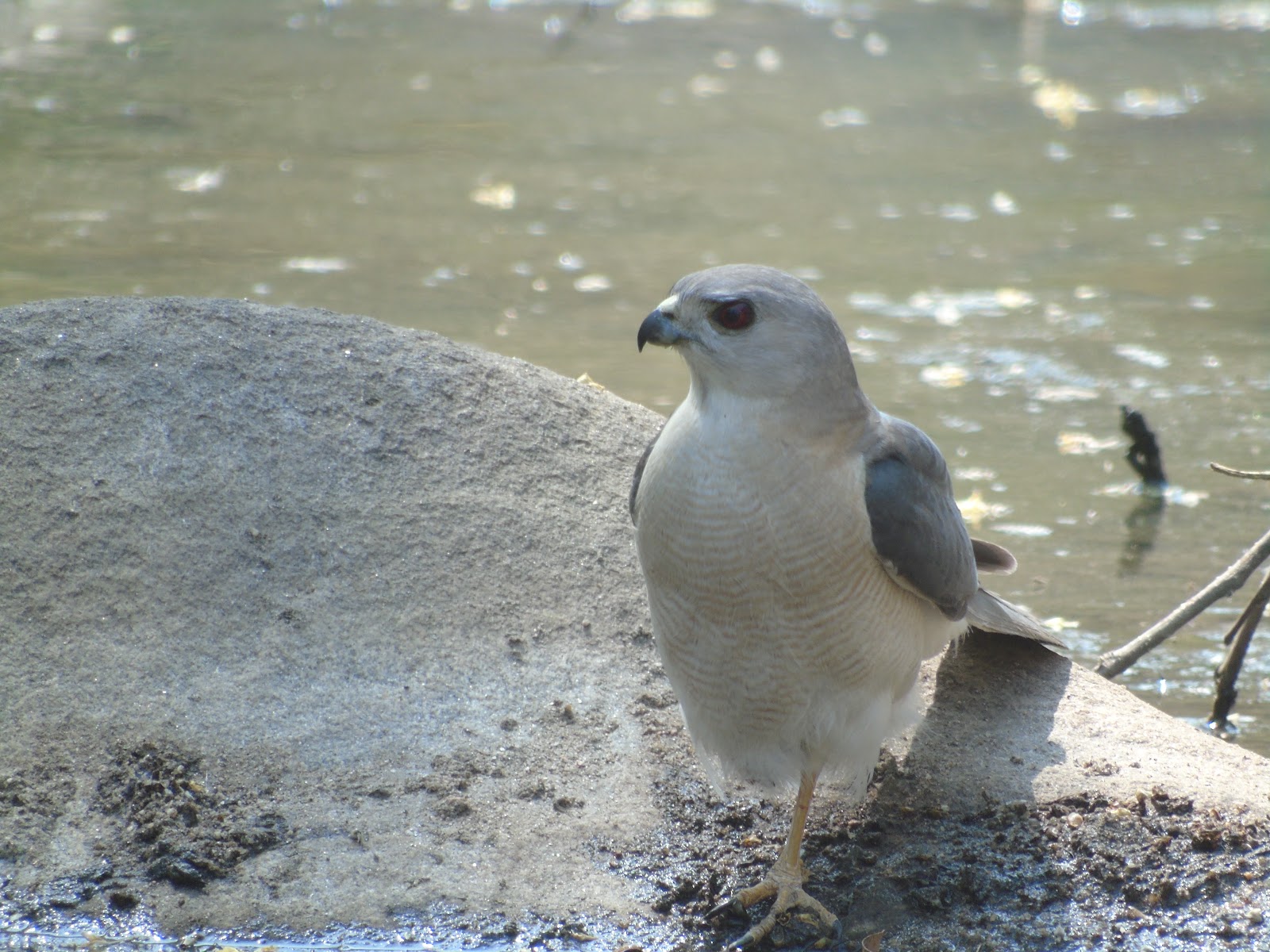
Shikra
Magpie Robin

Crested Tree Swift Female

Indian Roller

White Backed Vulture Juvenile

Crested Serpent Eagle Juvenile

Large Grey Cuckoo Shrike

White Throated Kingfisher

Shikra

Twany Babbler

While the birding goes year around the thick canopy in October is stressful though the full range of migrants continue to arrive throughtout the winters. The best period hence is from mid November onwards lasting upto June 15 since rainy weather may impede excusrions after mid June. 

Birding is not allowed on foot in the core area hence jeep safaris are ideal way of watching lovely avian. However on foot birding can take place outside the core in the buffer region. Anoter   

Kanha National Park is not the place for wetlands or shore birds niether it is a place for studying winter migrants. Hence birders should aim for forest birding using good pair of binoculors and a medium sized lens perhaps upto 600mm. A bean bag and a tripod will be very helpful. 


Sunday, February 10, 2019

Summer Birding & Tiger Safari at Kanha

Ideal time for birding is summers in Kanha National Park. Ironically it is neglected season for the avian whereas the tiger chase is on.  As the heat increases and canopy slims down the visibility of birds becomes higher but by this time the migrants have departed but any way few migrants species do not a summer make. 

The season picks up with nesting of Sun Birds followed by courtship of paradise flycatchers. These are striking in their breeding plumage. Another target species is the Indian Pitta which can be seen lazing along a little bit of shade in the ground which the Orange Headed Thrush roams. Early summer is the time to find the blue capped rock thrush. This is a passage migrant to the North. Painted francolin, white bellied drongo, white browed flycatcher, white eyed buzzard, crested hawk and serpent eagles, grey headed fishing eagle, brown fish owl, streak throated woodpecker, rufous woodpecker, white naped woodpecker, brown fish owl, yellow crowned woodpecker, brown headed pygmy woodpecker, spot bellied eagle owl.....

Malabar Pied Hornbill anytime anywhere takes the cake a sighting comparable to that of a big cat. This is also the breeding time for white rumped shama the magical songstar and the common Iora another lovely singer. Tickell's flower pecker can be photographed with greater ease during this season.So can be the Indian scimitar babbler, black naped flycatcher, scarlet minivet, white bellied minivet, white rumped minivet and scaly bellied minivet. Tickell's flower pecker's pink nest is a wonder to see. The orioles also become active in this season and breed. 

The shrunk water bodies become niche habitats for unseen or rarely seen birds since water is essential ...a patient watch would fetch a sight of bay banded cuckoo, grey bellied cuckoo, oriental scops owl, some crakes and rails.....this is like waiting at water for the tiger which often surfaces during the summer months.... 

The list of birds seen at Kanha National Park is endless. Birding should be combined with tiger safaris which I believe most people do. This write up highlights bird watching at Kanha since it get subdued under the glare of the mega fauna. 
Juv. White Backed Vulture

Coucal


Crested Serpent Eagle

Sirkeer Malkoha

Wooly Necked Stork

Adjutant Stork

White Rumped Shama

Indian Scops Owl

Black Stork

Indian Scimitar Babbler

Jungle Owlet

Alexandrine Parakeet
Isabelline Shrike

Malabar Pied Hornbill
Uday is naturalist at Kanha
Contact : pateluday90@hotmail.com