Showing posts with label species. Show all posts

Friday, April 26, 2019

Bird Images at Kanha National Park in Central India

Though a tiger heaven Kanha National Park is an excellent destination for bird watching with more than two hundred species recorded so far. New bird discoveries is a constant happening. The hotspot is rich in forest species though wetland and shore birds can also be checklisted during the winters. 

Some of key resident species are the Malabar Pied Hornbill, Paradise Flycatcher, Indian Pitta, Black Naped Monarch, Shama, Brown Hawk Owl, Brown Wood Owl, Mottled Wood Owl, Serpent Eagle, Hawk Eagle, Honey Buzzard, White Eyed Buzzard, Booted Eagle, Grey Headed Fish Eagle, Jerdon's Baza, Crested Goshawk, Shikra, White Rumped Needletail, Bar Winged Flycatcher Shrike, White Cheecked Orange Headed Thrush, Tickell's Thrush, Pygmy Cotton Teal, Lesser Whistling Teal, and many many more......

Among the winter visitors are the Black Redstart,Tickell's Leaf Warbler, Hume's Warbler, Sulphur Bellied Warbler, Greenish Warbler, Grey Buschat, Siberian Rubythroat, Palas Fish Eagle(Rare), Rufus Bellied Eagle,Verditor Flycatcher, Green Sandpiper, Nortern Pintail, Gray Lag Geese, Bar Headed Goose, Common Teal, Richard's Pipit and more....      

Here are some bird pictures from Kanha
==============================================


Scarlet Minivet

Isabelline Shrike
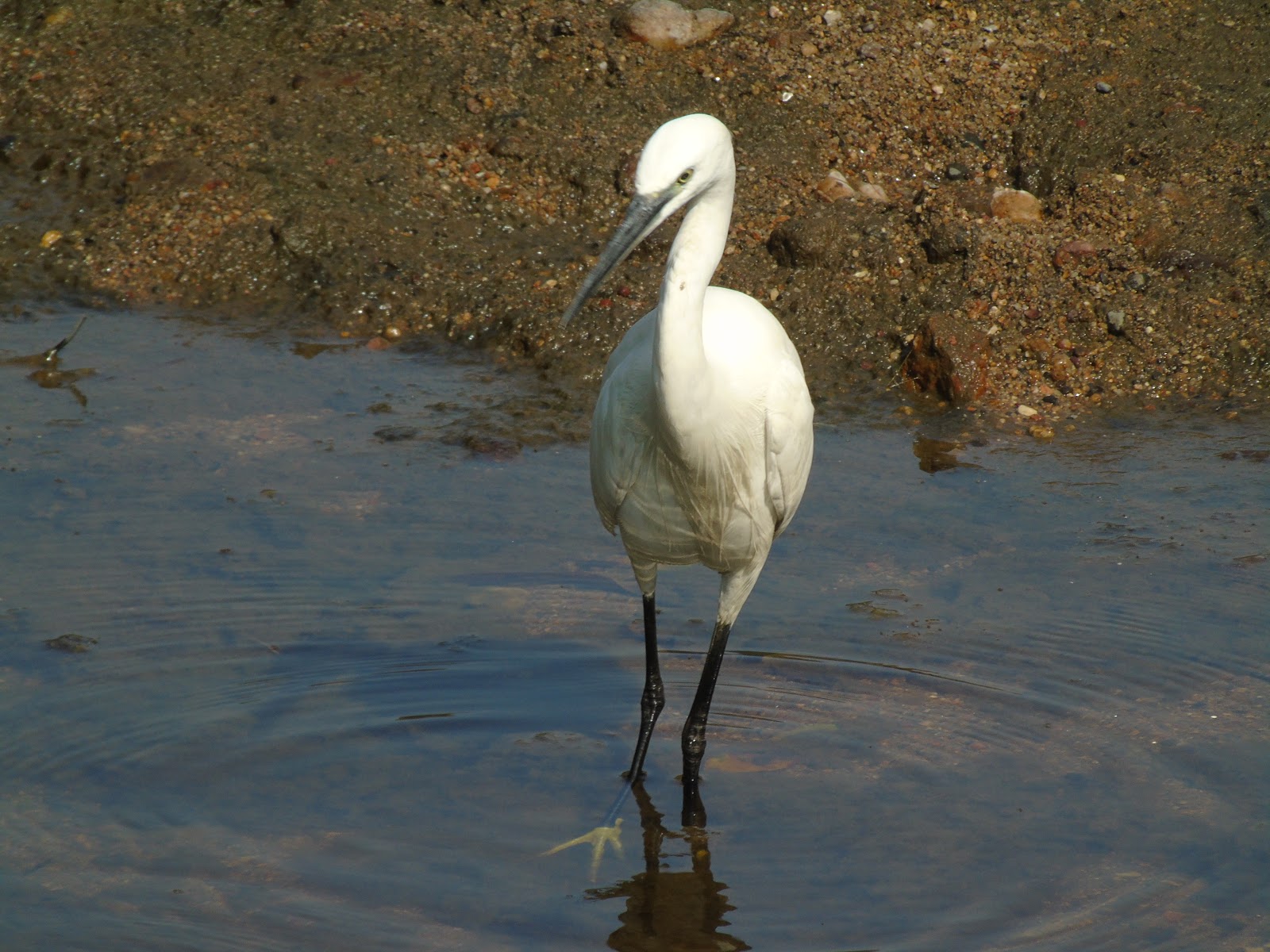
Little Egret

Crested Hawk Eagle
Bhamani Starling

White Eyed Buzzard

King Vulture

Black Stork

Black Rumped Flameback

Lesser Adjutant Stork
Honey Buzzard

Richard's Pipit

Honey Buzzard

Blue Capped Rock Thrush


Spotted Owlet

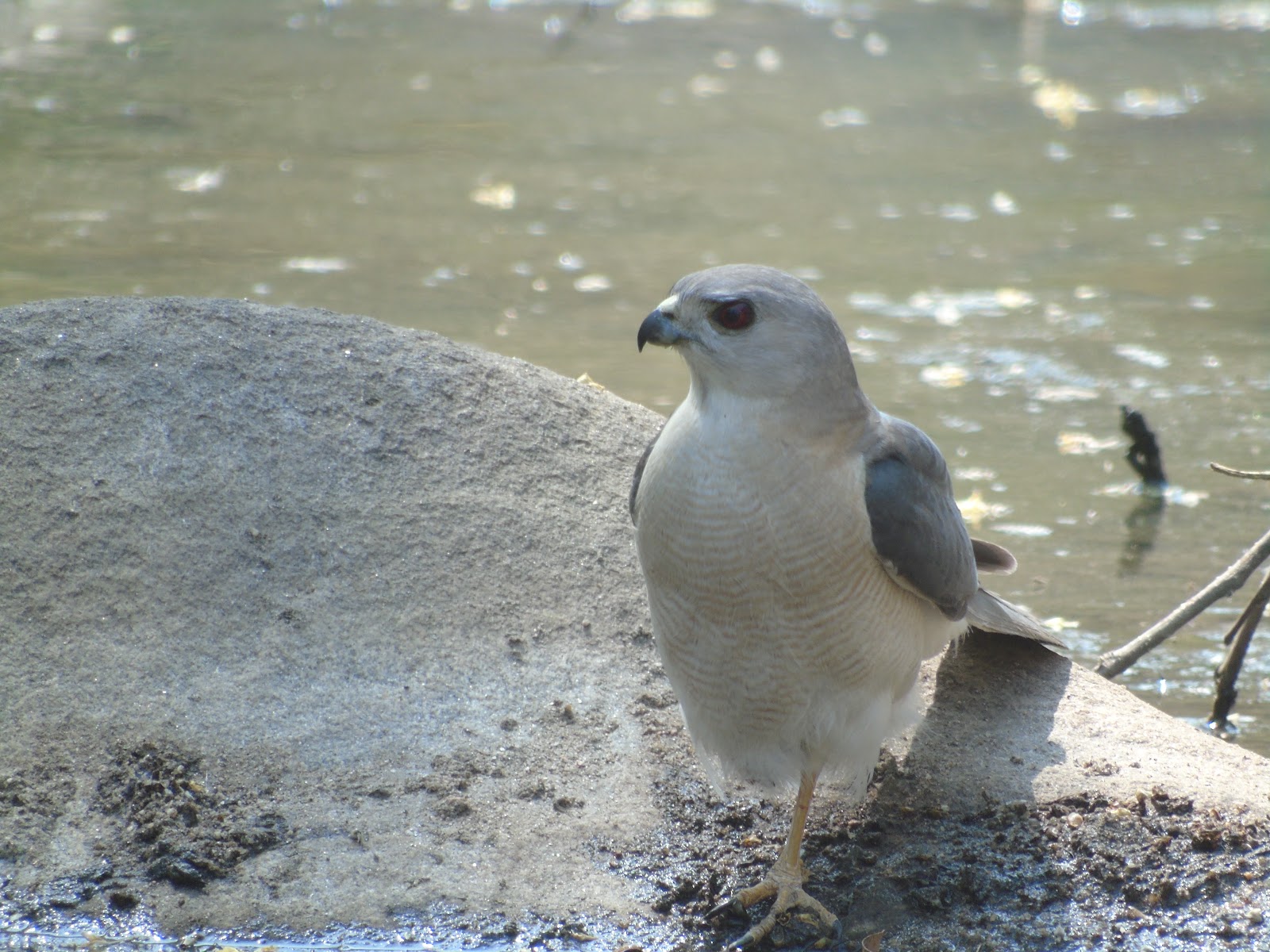
Shikra
Magpie Robin

Crested Tree Swift Female

Indian Roller

White Backed Vulture Juvenile

Crested Serpent Eagle Juvenile

Large Grey Cuckoo Shrike

White Throated Kingfisher

Shikra

Twany Babbler

While the birding goes year around the thick canopy in October is stressful though the full range of migrants continue to arrive throughtout the winters. The best period hence is from mid November onwards lasting upto June 15 since rainy weather may impede excusrions after mid June. 

Birding is not allowed on foot in the core area hence jeep safaris are ideal way of watching lovely avian. However on foot birding can take place outside the core in the buffer region. Anoter   

Kanha National Park is not the place for wetlands or shore birds niether it is a place for studying winter migrants. Hence birders should aim for forest birding using good pair of binoculors and a medium sized lens perhaps upto 600mm. A bean bag and a tripod will be very helpful. 


Saturday, January 19, 2019

Some Birds of Kanha in Pictures & Checklist

Julien Gonin Birder France & Guests at Courtyard House Kanha

Though the surprise find was the crimson sunbird at Kanha National Park, I could not photograph it. My guests did perhaps?  I managed to photograph the Malabar Pied Hornbill and White Cheeked Orange Headed Ground Thrush. We saw many other species like:

  1. Crimson Sunbird
  2. Verditor Flycatcher
  3. Blue Capped Rock Thrush
  4. White Cheeked Orange Headed Ground Thrush
  5. Chestnut Bellied Nuthatch
  6. Brown Capped Pygmy Woodpecker
  7. Black Naped Monarch
  8. Black Rumped Flameback
  9. White Naped Woodpecker
  10. Blyth's Leaf Warbler 
  11. Greenish Warbler
  12. Hume's Warbler
  13. White Browed Flycatcher
  14. Puff Throated Warbler
  15. Barred Jungle Owlet
  16. Indian Scops Owl
  17. Honey Buzzard
  18. Grey Francolin
  19. Brown Cheeked Fulvetta
  20. Brown Headed Barbet
  21. Alexandrine Parakeet
  22. Plum Headed Parakeet
  23. Rose Ringed Parakeet
  24. Large Grey Cuckooshrike
  25. Common Hawk Cuckoo
  26. Shikra
  27. Crested Serpent Eagle
  28. Wooly Necked Stork
  29. Black Stork
  30. Lesser Whistling Teal
  31. Common Teal
  32. Green Sandpiper
  33. Eurasian Thicknee
  34. Yellow Wattled Lapwing
  35. Red Wattled Lapwing
  36. White Bellied Drongo
  37. Racket Tailed Drongo
  38. Common Kestrel
  39. Crested Serpent Eagle
  40. Crested Hawk Eagle
  41. Plain Prinia
  42. Ashy Prinia
  43. Magpie Robin
  44. Red Rumped Swallow
  45. Barn Swallow
  46. Wire Tailed Swallow
  47. Streak Throated Swallow
  48. Plain Martin
  49. Dusky Crag Martin
  50. Crested Treeswift
  51. Black Headed Oriole
  52. Golden Oriole
  53. Coucal
  54. Indian Roller
  55. Paradise Flycatcher
  56. Common Woodshrike
  57. White Rumped Shama
  58. Large Billed Crow
  59. Gray Headed Canary Flycatcher
  60. Brahminy Myna
  61. Thick Billed Flowerpecker
  62. White Eye
  63. Golden Fronted Leafbird
  64. Pied Starling
  65. Rufus treepie
  66. Great Tit
  67.  Black Lored Tit
  68.  Red Naped Ibis 
  69. Little Egret
  70. Black Redstart
  71. Scarlet Minivet
  72. Sirkeer Malkoha
  73. Green Pigeon
  74. Oriental Turtle Dove
  75. Spotted Dove
  76. Indian Silver Bill
  77. Peacock
  78. Red Spurfowl
  79. Red Jungle Fowl
  80. Black Shouldered Kite
  81. Common Kingfisher
  82. Whitethroated Kingfisher
  83. Grey Breasted Prinia
  84. Paddyfield Pipit
  85. Crimson Barbet
  86. Brown Shrike
  87. Long Tailed Shrike
  88. Little Grebe
Malabar Pied Hornbill

Orange Headed Ground Thrush

Sirkeer Malkoha 

Green Pigeon

Wooly necked Stork


White Backed Vulture

Scarlet Minivet

We head a good bird watching trip at Kanha but we also spent lot of time searching for tigers and other enchanting mammals.

Julien Gonin is a professional birder and organises tours for bird watching and wildlife.

Uday Works as Sr. Naturalist at Kanha National Park. He can be reached at pateluday90@hotmail.com

Tuesday, August 21, 2018

Birding At Tadoba Tiger Reserve

The birds abound but the search is for the tiger. This is a mistake most of the wildlife lovers make whence they visit a tiger reserve in Central India. This happens everywhere even at Tadoba which has recently become most popular destination for tourism.    

The tiger is enchanting and everybody wishes to see one. But if you are solely concentrating on one animal you miss many other species especially the birds at Tadoba. The place abounds with avian species and they are everywhere. They can be found in the forests, amidst bamboo clumps, grasslands, rivers, ponds and lakes and also in the surroundings outside the National Park.  

Albeit in the tiger reserves most of the species found are those that dwell amidst the trees and grasslands. But if there are sufficient water bodies, rivers and other wetlands the chances of migratory shore and deep diving species being sighted is very high.  Hence for birders the mix of habitats results in checklisting a vast number of species during a safari or a nature walks in the precincts of the reserve. 

Hence this is the way a bird tour is organised at Tadoba. A few rounds of tiger safari in the park is mixed with nature walks in the forest periphery, village fields and a drive to a large wetland. This way the trip is sure to result in high number of sightings of avian species. If you have a good birding guide your trip is going to be big success.    

Some of the species seen while touring this reserve are shown in the photographs below: 
Black Shouldered Kite 

Blue Bearded Beeeater

Brown Fish Owl 

Spotted Owlet 

Serpent Eagle

Lesser Whistling Teal 

Red Jungle Fowl 

Racket Tailed Drongo
Ashy Sparrow Finch Lark 

Ashy Prinia

Yellow Eyed Babbler

Banded Bay Cuckoo

Coppersmith Barbet

Bar Headed Geese
Baya

Black Francolin  

Black Headed Bunting  

Bhamani Myna

Black Ibis

Black Headed Oriole 
Black Lored Tit 

Black Naped Flycatcher 

Black Stork 

Black Rumped Flameback 

Female Redstart 

Indian Vulture

The best season for birding at Tadoba is the winter time. This is the period whence most of the migratory species arrive here. But in summer with the canopy reducing down it becomes the place to find the resident species in open. Hence for resident bird photography early summer is the best time. Bird photographers should take note of this. 

For excursions in the core zone a permit is required which can be arranged by the hotel you are staying at. 

Tadoba Andhari Tiger Reserve is near Chandrapur which is about one hundred fifty km from Nagpur Airport in the State of Maharashtra in India.