Showing posts with label checklist.. Show all posts

Friday, April 26, 2019

Bird Images at Kanha National Park in Central India

Though a tiger heaven Kanha National Park is an excellent destination for bird watching with more than two hundred species recorded so far. New bird discoveries is a constant happening. The hotspot is rich in forest species though wetland and shore birds can also be checklisted during the winters. 

Some of key resident species are the Malabar Pied Hornbill, Paradise Flycatcher, Indian Pitta, Black Naped Monarch, Shama, Brown Hawk Owl, Brown Wood Owl, Mottled Wood Owl, Serpent Eagle, Hawk Eagle, Honey Buzzard, White Eyed Buzzard, Booted Eagle, Grey Headed Fish Eagle, Jerdon's Baza, Crested Goshawk, Shikra, White Rumped Needletail, Bar Winged Flycatcher Shrike, White Cheecked Orange Headed Thrush, Tickell's Thrush, Pygmy Cotton Teal, Lesser Whistling Teal, and many many more......

Among the winter visitors are the Black Redstart,Tickell's Leaf Warbler, Hume's Warbler, Sulphur Bellied Warbler, Greenish Warbler, Grey Buschat, Siberian Rubythroat, Palas Fish Eagle(Rare), Rufus Bellied Eagle,Verditor Flycatcher, Green Sandpiper, Nortern Pintail, Gray Lag Geese, Bar Headed Goose, Common Teal, Richard's Pipit and more....      

Here are some bird pictures from Kanha
==============================================


Scarlet Minivet

Isabelline Shrike
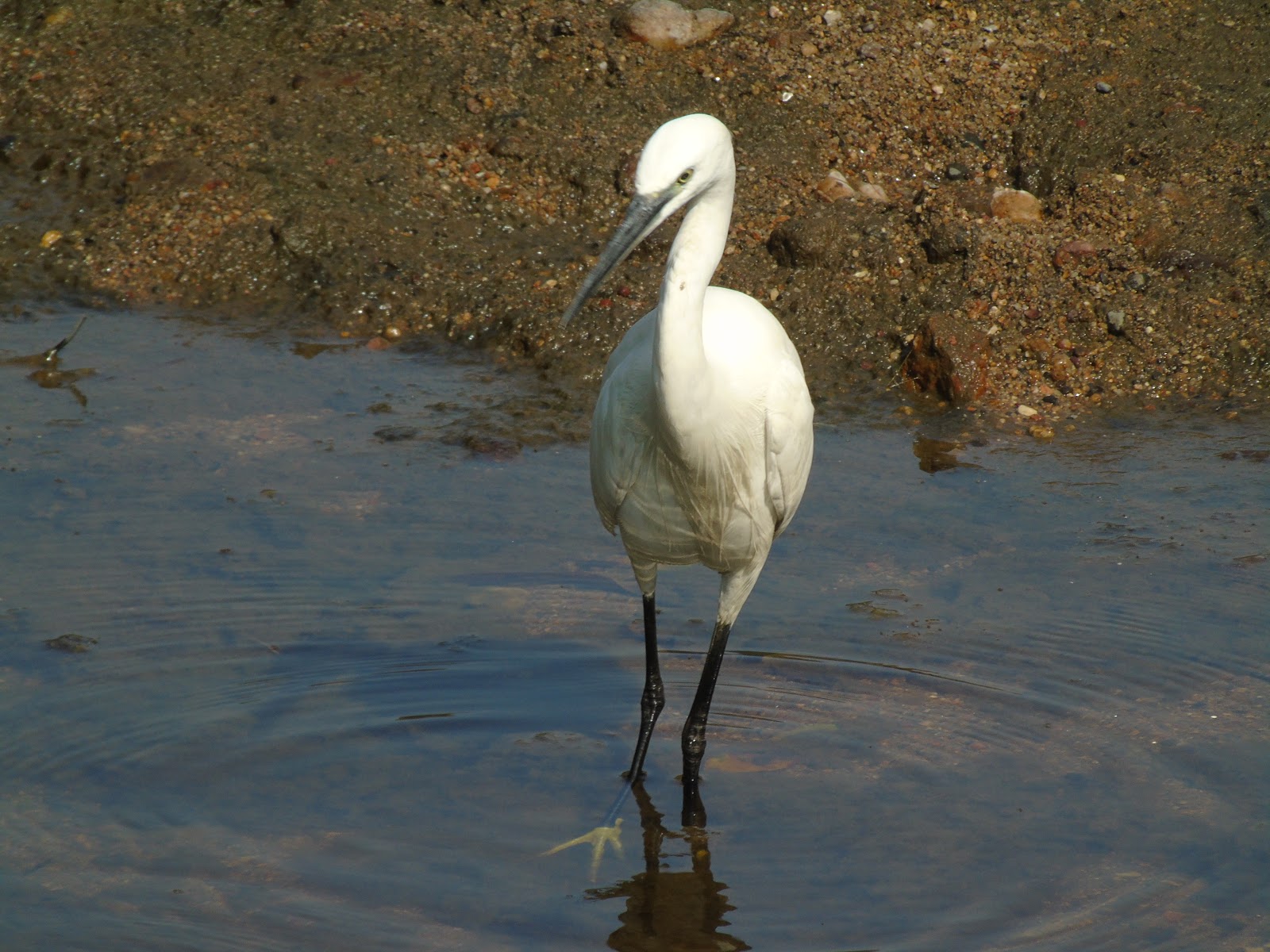
Little Egret

Crested Hawk Eagle
Bhamani Starling

White Eyed Buzzard

King Vulture

Black Stork

Black Rumped Flameback

Lesser Adjutant Stork
Honey Buzzard

Richard's Pipit

Honey Buzzard

Blue Capped Rock Thrush


Spotted Owlet

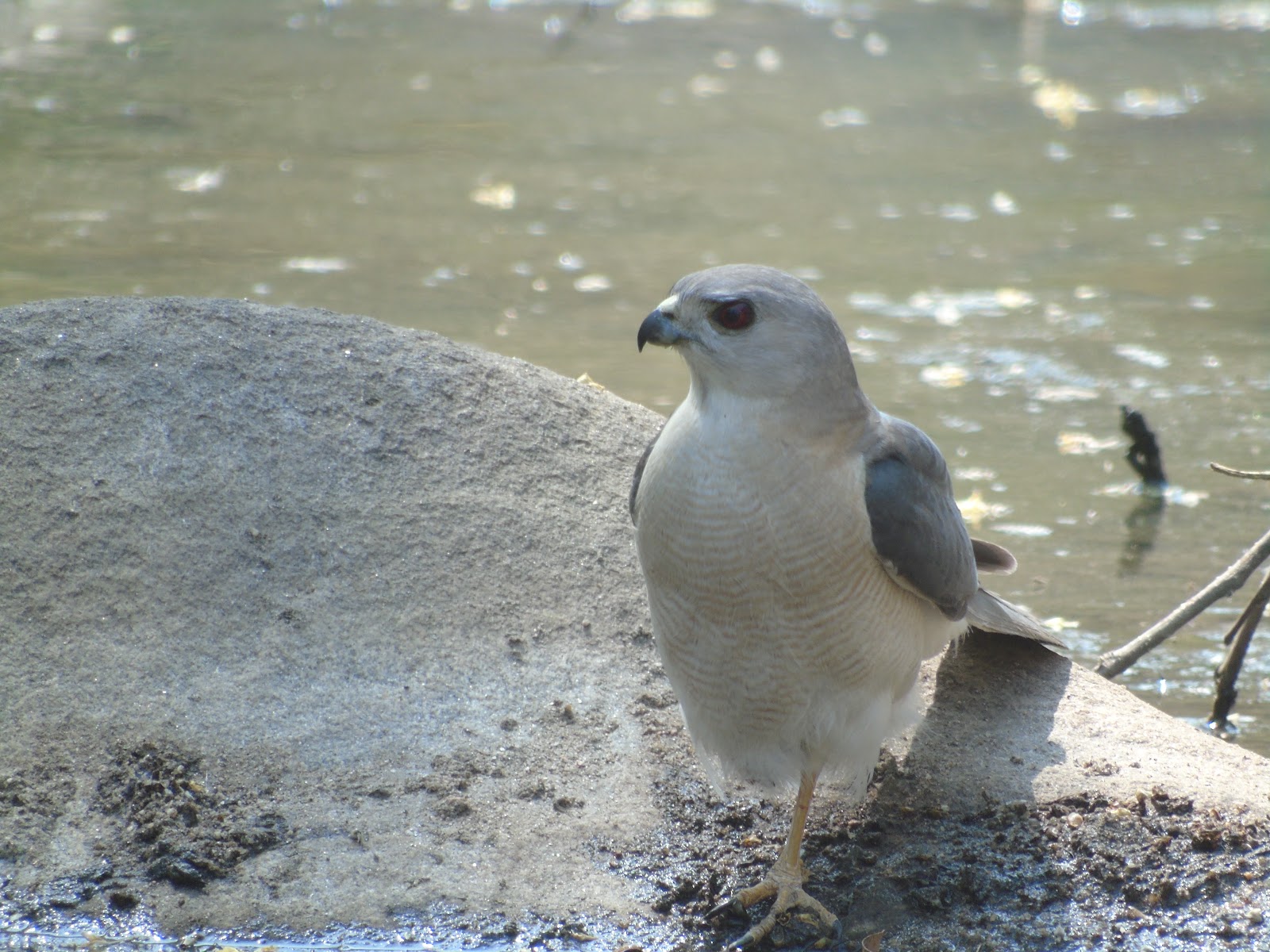
Shikra
Magpie Robin

Crested Tree Swift Female

Indian Roller

White Backed Vulture Juvenile

Crested Serpent Eagle Juvenile

Large Grey Cuckoo Shrike

White Throated Kingfisher

Shikra

Twany Babbler

While the birding goes year around the thick canopy in October is stressful though the full range of migrants continue to arrive throughtout the winters. The best period hence is from mid November onwards lasting upto June 15 since rainy weather may impede excusrions after mid June. 

Birding is not allowed on foot in the core area hence jeep safaris are ideal way of watching lovely avian. However on foot birding can take place outside the core in the buffer region. Anoter   

Kanha National Park is not the place for wetlands or shore birds niether it is a place for studying winter migrants. Hence birders should aim for forest birding using good pair of binoculors and a medium sized lens perhaps upto 600mm. A bean bag and a tripod will be very helpful. 


Thursday, November 3, 2011

Birding at Marble Rocks

The magical mystical falls Dhuandhar on River Narmada are the beginning of the gorge that Capt Forsyth so vividly described - Marble Rocks. Much remains of the magnificent splendor the he described excpet the surroundings have become devoid of greenery in recent times. 

A concrete pathway and driveway with an overhead rope way has opened new vista of tourism. The river were once surrounded with dense forests on the cliffs - all gone now.  Wherever man steps in destruction is bound to occur.

Anyway while my guests were busy visiting the falls I was busy bird watching on the cliff bang opposite. I could see some house martins flying all around the Egyptian Vultures most of them were juvenile. It was quite late but I did manage to see a blue rock thrush female. These birds visit the rocky surroundings near the hills of Bargi which are nearby. Another good sightings was rufous tailed larks sitting pensively on of the rocks.  White wagtail and large pied wagtails were in plentyful. 

I could not sight the Brown Fish Owl which frequent the boating area and surroundings. But they are certainly visible during the evening time whence they come out of the fissures amidst the marble rocks in the over hanging cliffs.       

Near by there is an old bridge that leads to Marble Rock underneath you can discover a colony of streak throated swallows. This is where you can see Brahminy Ducks and an occasional rare visitor the avocet.

Red wattled lapwing, house sparrows, are ubiquitous in Jabalpur. Humes warbler, brown rock chat and a purple sunbirds male in eclipse was what I could see before we moved on.